
Terracotta Pots or Plastic Pots? Which Is Healthier for Plants?
One of the first questions many people ask when they start growing plants is this: Are terracotta pots or plastic pots better?
Plastic pots are very common today because they are cheap and easy to find. From the standpoint of plant health, however, terracotta pots offer several important advantages. That is why both professional gardeners and plant lovers usually prefer terracotta pots and terracotta pot models.
But which is truly the healthiest pot for plants? Let's take a closer look at the differences between terracotta and plastic pots.
What Is a Terracotta Pot?

A terracotta pot is a traditional type of pot made by shaping clay and firing it at high temperature. It is also commonly known as a clay pot.
The most important feature of these pots is that they have a porous structure. Thanks to this structure, the soil inside the pot can get air and plant roots can develop more healthily.
Thanks to their natural look, terracotta pots are also popular both in garden decoration and for indoor plants.
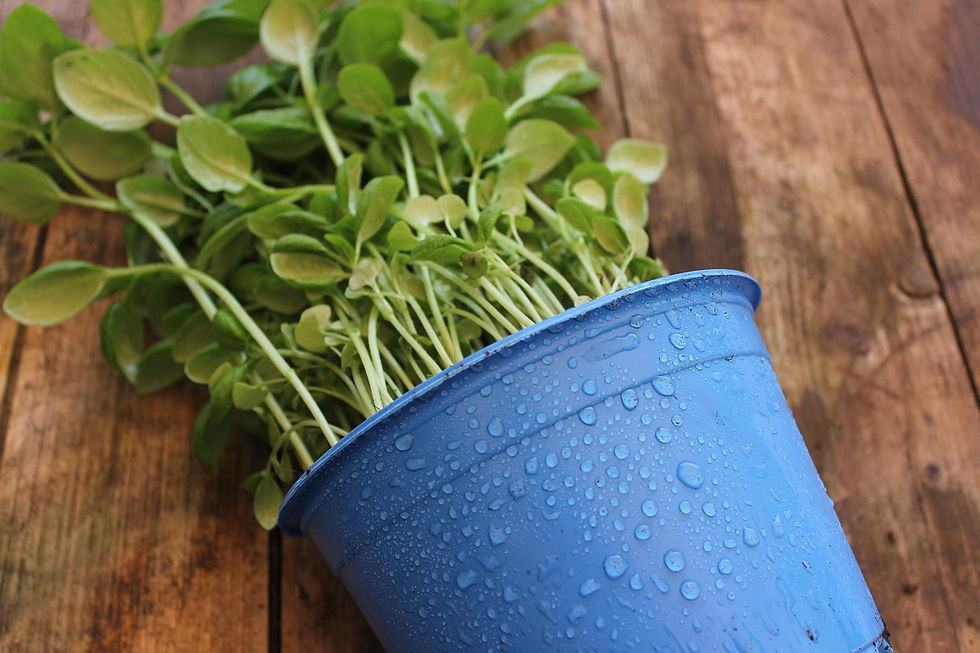
Features of Plastic Pots
Plastic pots are very common because they are light and inexpensive. Plastic pots in various sizes can be found in many garden stores.
However, plastic pots have some disadvantages:
They are not breathable
They trap moisture in the soil
They can heat up quickly in the sun
They can break or crack with long-term use
These features can sometimes be a problem, especially for sensitive plants.
Advantages of Terracotta Pots for Plants
1. They Let the Roots Breathe

Thanks to the porous structure of terracotta pots, air circulation takes place. This helps plant roots get oxygen.
Air circulation in plastic pots, on the other hand, is limited. That is why, especially for root health, terracotta pots are more advantageous.
2. They Provide a Natural Water Balance
One of the most common problems with plants is overwatering.
Because terracotta pots can release excess moisture over time, the soil's water balance is maintained more naturally. In plastic pots, water usually stays inside the pot, which can cause root rot.
That is why terracotta pots are recommended especially for the following plants:
Succulents
Cacti
Lavender
Rosemary
Aromatic herbs

3. They Keep Temperature Balanced
Plastic pots left in the sun can heat up quickly. This can expose plant roots to excessive heat.
Thanks to the structure of clay, terracotta pots keep the temperature more balanced. This is especially important for large pots used in gardens.
Terracotta Pots vs. Plastic Pots for Decoration
Terracotta pots are very popular not only for plant health but also for their decorative look. The color of the earth and the patina that develops over time give the pots a rustic, warm character.

Terracotta pots are often preferred for:
Garden decoration
Balcony designs
Indoor plants
Hotel and villa landscape projects
These are the settings where terracotta pots are most often chosen.
Plastic pots, on the other hand, usually offer a plain look. Although they come in many colors and models, they may not create a natural atmosphere as strongly as terracotta pots.
Especially in spaces with a natural, rustic design, terracotta pots stand out more decoratively.
Terracotta vs. Plastic Pots in Türkiye

In Türkiye, large terracotta pots and decorative terracotta pots are widely used in garden and landscape designs, especially in regions such as Bodrum, Çeşme, Antalya and Istanbul.
In villa gardens, hotel landscapes and restaurant gardens, terracotta pots add aesthetic value to the space with their natural look.
Plastic pots are mostly used for temporary solutions, nursery production or budget choices. In long-term and decorative projects, terracotta pots are generally preferred.
Conclusion: Terracotta or Plastic Pots?
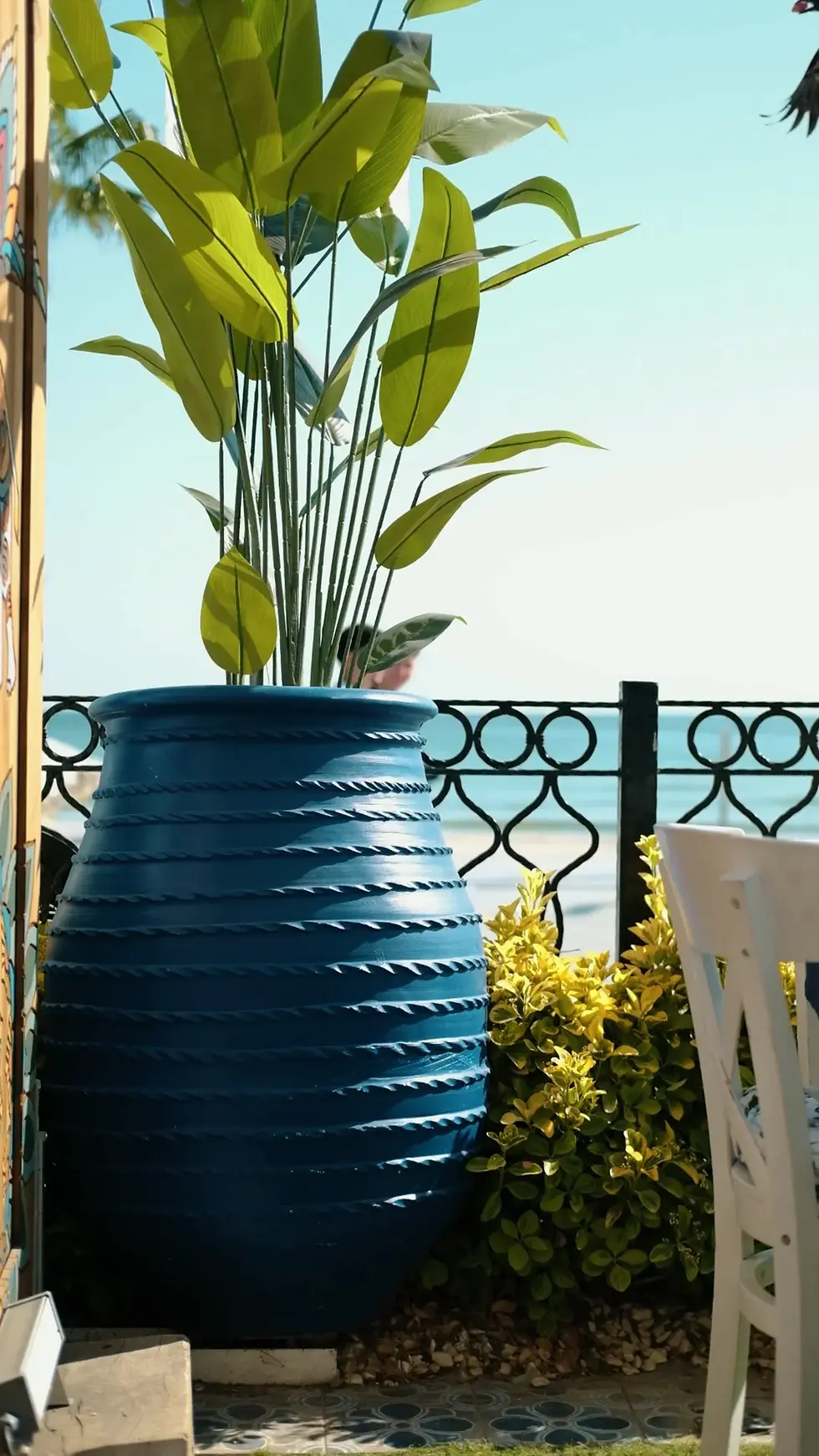
When choosing between terracotta and plastic pots, consider the purpose of use and the needs of the plant.
Comparing them side by side:
Terracotta Pot
Helps roots get air
Balances excess moisture and prevents root rot
Is resistant to temperature changes
Offers a natural, decorative look
Plastic Pot
Is light and easy to carry
Comes in different colors and models
Is an economical option
However, it is not breathable, so roots may not get enough air and in some plants it can lead to root rot or poor growth
In general, if you are looking for a long-lasting, plant-friendly and healthy pot, terracotta pots are a safer and more natural choice than plastic pots. Plastic pots can offer practical, portable solutions, but for sensitive plants especially, they can be harmful in the long run.
For a durable and healthy choice, you can browse Deniz Pottery's terracotta pot collection.
Related products and guides
Terracotta Pots – all terracotta pot models
Which Size Terracotta Pot Fits Where? – a guide to pot sizes by plant


Comments